Join us in praying with this month’s
‘3 Ways To Pray’ guide.
Shalom Village Initiative Overview
The Shalom Village Initiative (SVI) is an opportunity for Calvary to put our mission into action by stewarding what God has entrusted to us—our land, financial resources, relationships, gifts, and people—for the flourishing of our neighbors. More than a housing development, the SVI envisions a community where quality housing, meaningful relationships, and Christ-centered hospitality come together to foster stability, dignity, belonging, and hope. As we move further into implementation, our work is taking shape around three interconnected facets:
Building & Infrastructure
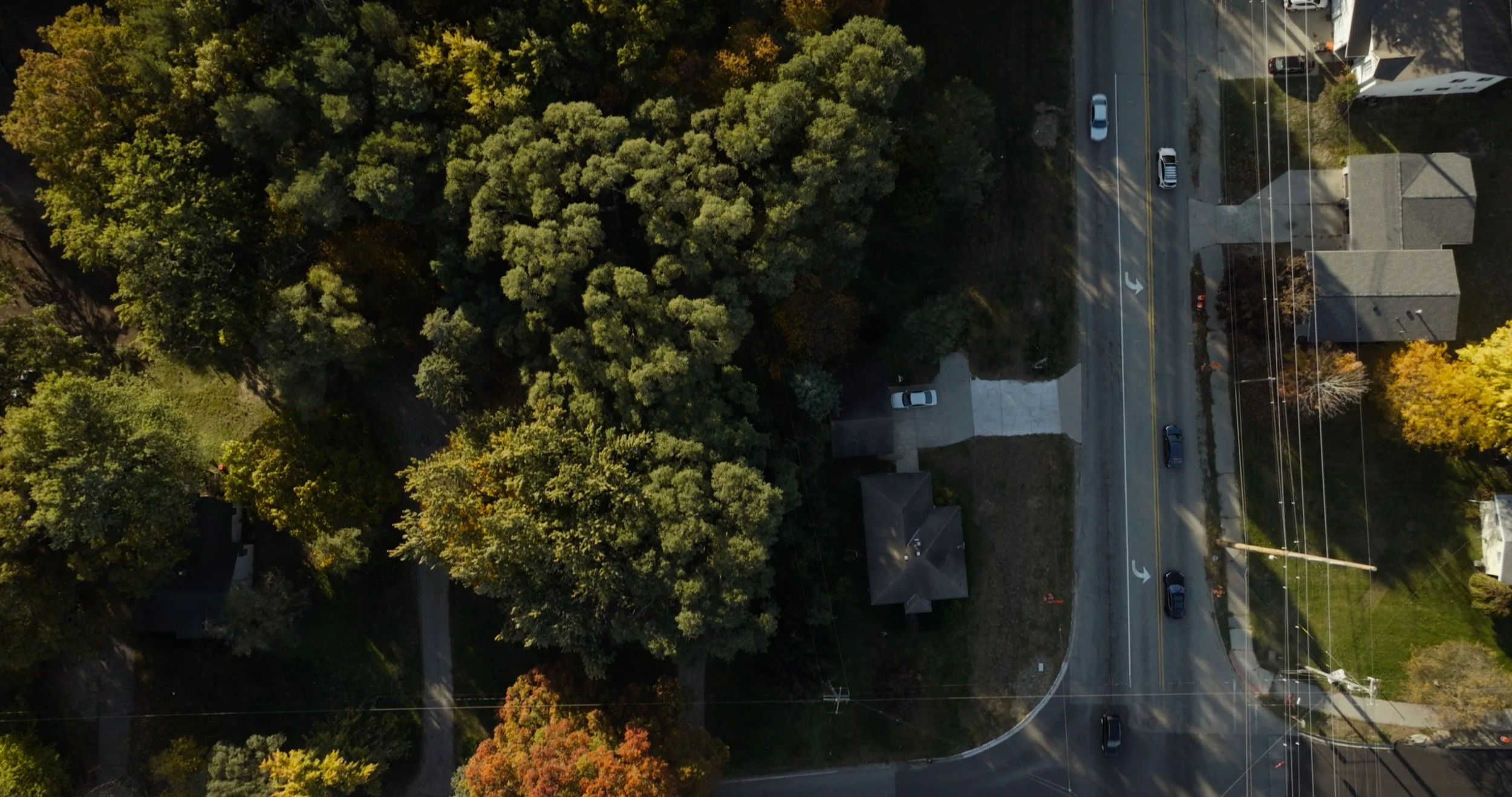
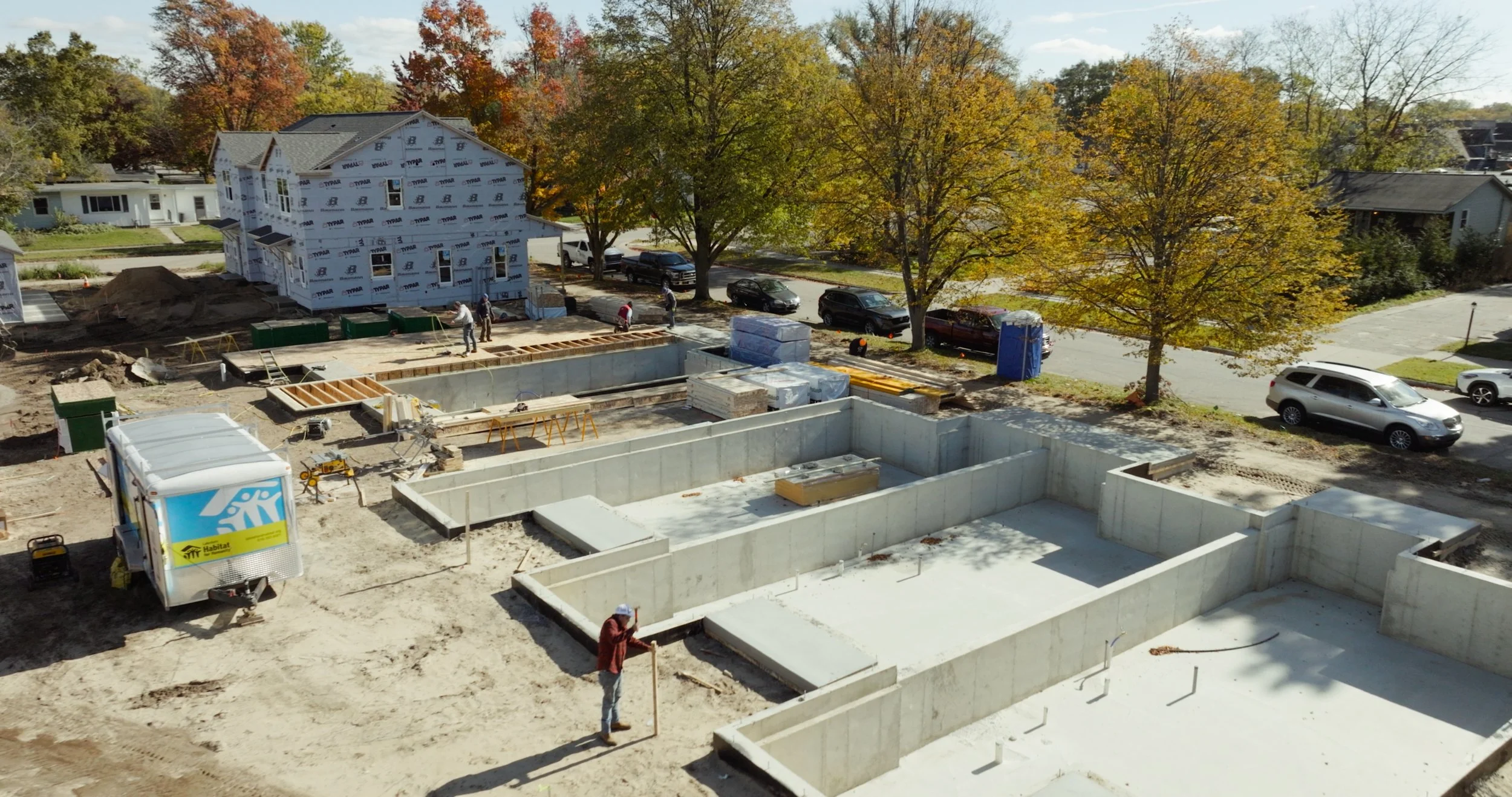
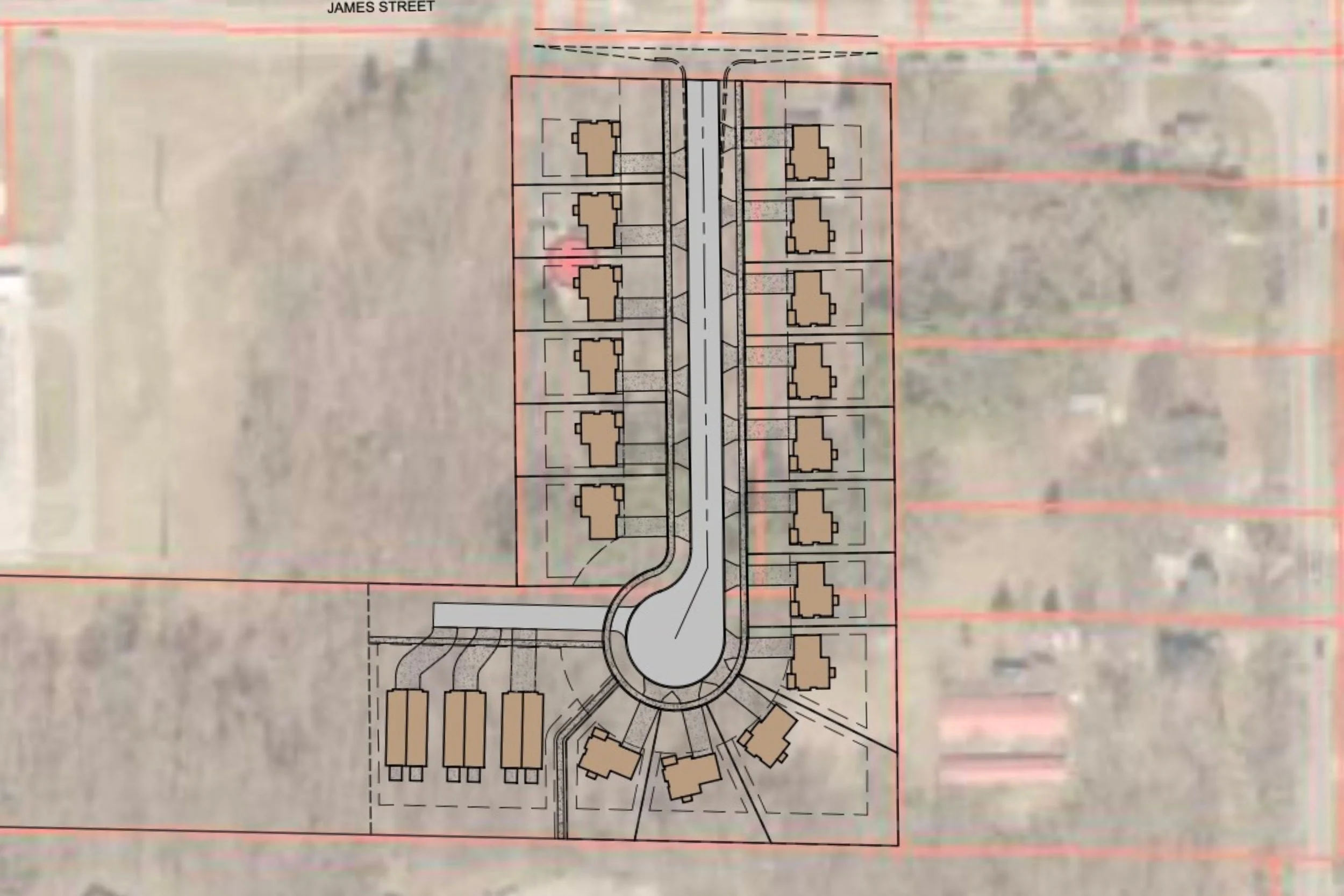
Calvary will partner with Lakeshore Habitat for Humanity to transform approximately 4.8 acres of church property into a neighborhood of affordable, owner-occupied homes alongside Calvary-owned transitional housing. Lakeshore Habitat is a trusted local Christian ministry that brings people together to build homes, communities, and hope, helping qualified families achieve the stability and opportunity of affordable homeownership.
This facet includes finalizing the site plan, navigating township and utility approvals, preparing infrastructure, and coordinating the eventual construction of both Habitat homes and Calvary's three transitional-housing duplexes. Through the development of the land, we have an opportunity to turn a resource Calvary already possesses into a place where families and individuals can put down roots and flourish.
Ministry & Mission
The heart of the Shalom Village Initiative is not simply buildings we build, but the relationships we cultivate. Calvary will continue solidifying partnerships with My House Ministries and Harmony Communities, whose work with individuals and families needing transitional or supportive housing will help shape how Calvary's six units are ultimately used. We will also work with Good Samaritan Ministries’s property-management resources, to help meet shorter-term operational needs while developing sustainable strategies for the long-term management and maintenance of the properties.
At the same time, Calvary will equip our congregation to practice radical hospitality toward our neighbors and future residents. Through tools such as asset mapping, partnership with Community Teams, volunteer opportunities, ministry invitations, mentoring, hospitality, prayer, and simple friendship, we want to discover and mobilize the gifts God has placed within our congregation. Our aspiration is not simply to provide housing for people, but to build a community with people—one characterized by mutuality, dignity, belonging, and the love of Jesus.
Capital
Calvary will seek to raise $2 million (rough estimate) to construct three two-unit duplexes, providing six new Calvary-owned housing units within the neighborhood. These homes would be managed by Good Samaritan Ministries and made available to local ministry partners—particularly My House Ministries and Harmony Communities—as places from which they can provide transitional and supportive housing programs.
The capital campaign will invite the Calvary congregation, community partners, and the wider Holland/Zeeland community to invest financially in an initiative designed to serve our neighbors for decades to come. Construction of Calvary’s homes may occur in phases as resources become available, allowing us to move forward responsibly while pursuing gifts, partnerships, and other funding opportunities.
Interested in learning more? Check out this FAQ document from our town hall gatherings and communications from leadership teams.
Context
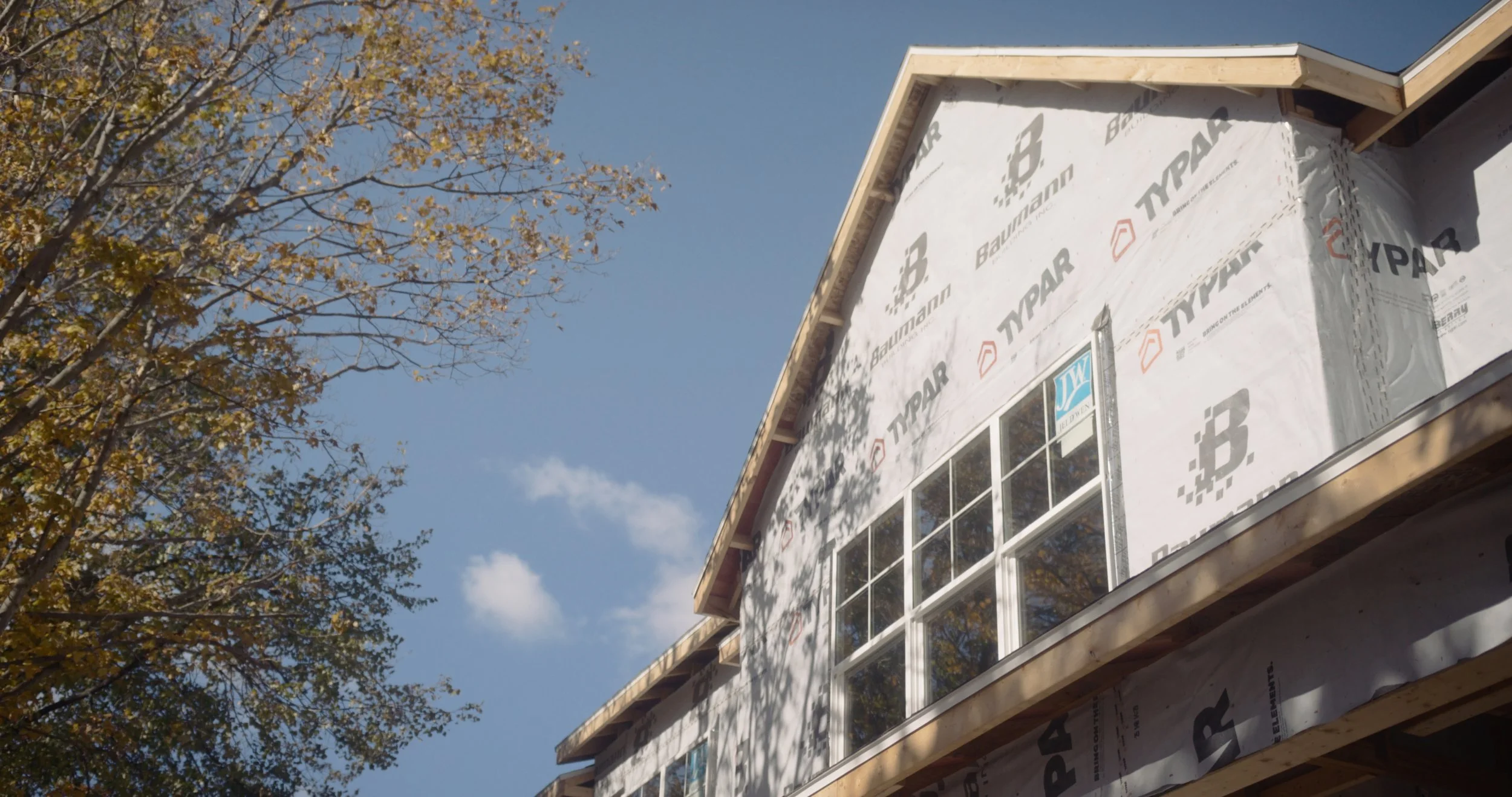
As part of Calvary’s renewal journey and our call to live out our shared values (Belong, Believe, Become, Bring, Brave), we have explored how Calvary can meaningfully address the community’s urgent housing needs—both affordable homeownership and safe transitional housing. This vision uses a portion of Calvary’s land and, more importantly, calls us to walk alongside neighbors in long-term, Christ-centered relationships.
Key Motivators
Affordable, quality housing provides stability, safety, belonging, hospitality, community, and long-term financial strength.
The need is significant: 35% of local households struggle to afford housing, often spending 50%+ of income on it.
Transitional housing is also in high demand. Below-market rent with supportive programming helps individuals recovering from financial hardship, abuse, addiction, or crisis move toward stability and homeownership.
The proposed transitional townhomes may also support permanent housing needs for local special-needs residents.
Calvary has ample undeveloped land (27.77 acres total) and a strong history of local mission. Our current transitional homes are outdated; this proposal enables both replacement and expansion.
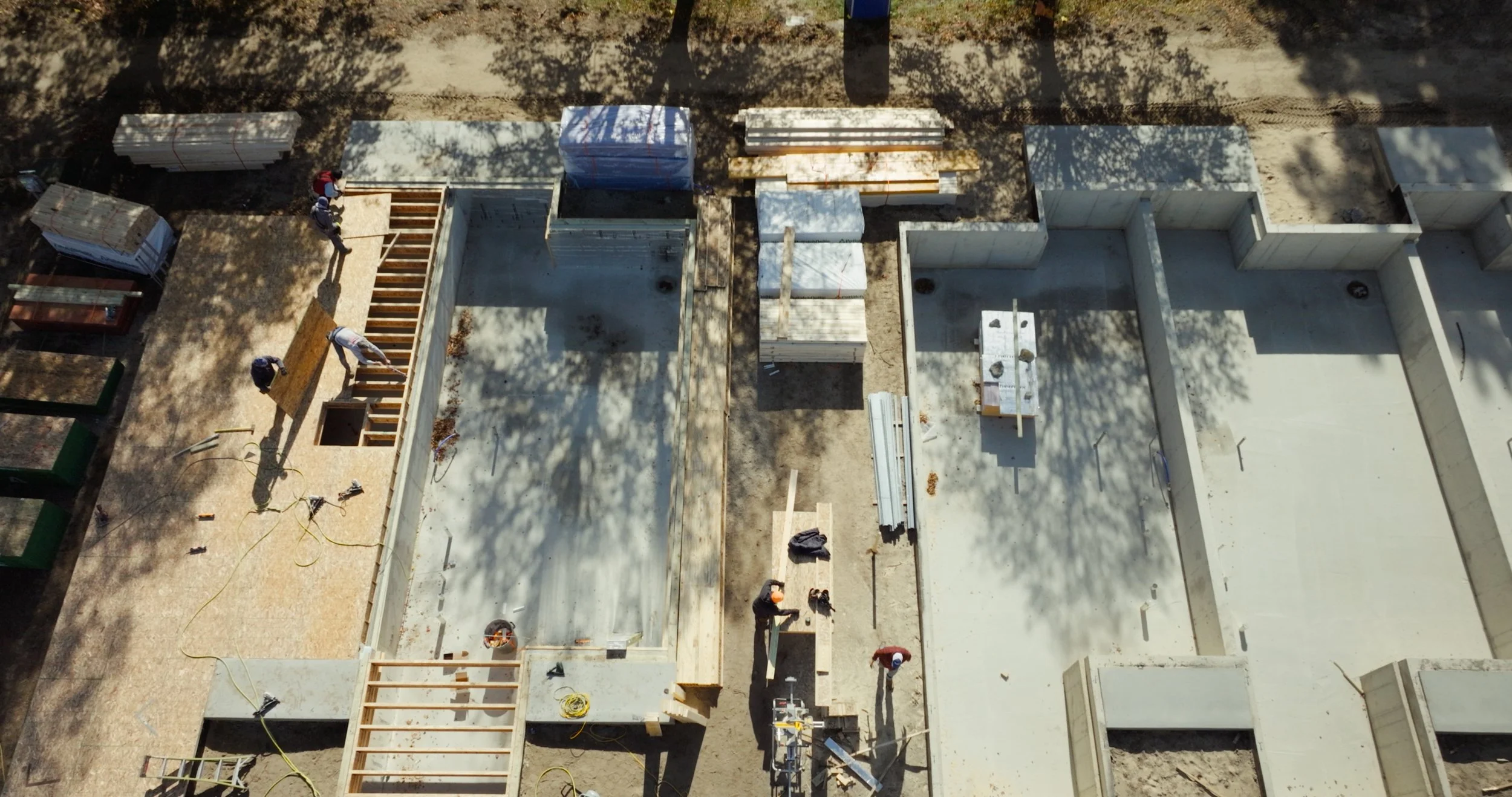
Because of partner and government processes, development would likely begin no earlier than late 2026. Full completion may take 3–5 years.
Projected
Timeline
-
-Obtain Holland Township zoning & permitting approvals
-Complete Planned Unit Development process
-Finalize property descriptions and due diligence
-
-Transfer property from Calvary to Lakeshore Habitat for Humanity
-Complete the real estate closing
-
-Land is cleared
-Infrastructure Construction
-Install roads, sewer, water, gas, electric, and other utilities
-
-Habitat conveys the townhome property back to Calvary
-Calvary pays $120,000 infrastructure contribution
-
-Habitat begins construction of the first homes
-Calvary seeks to begin construction of the first townhome building, subject to available funding
-
-Calvary completes first townhome duplex
-
-Habitat completes its home construction
-Calvary seeks to complete all three transitional townhome buildings